
Tourism and Water: Why Water Stewardship Matters for Hotels and Destinations
Updated: Jul 28

Water has always been central to tourism. Hotels require it for guestrooms, kitchens, housekeeping, laundry, landscaping, recreation facilities, and food preparation. Destinations depend on it to support communities, agriculture, ecosystems, and the visitor experiences that attract travellers in the first place.
Yet despite this dependence, water often receives far less strategic attention than occupancy, revenue, or even energy consumption.
Most hotels monitor room nights daily and review electricity bills every month. Far fewer track water use with the same level of attention or consider how their consumption relates to the wider availability of water in the destination.
For many tourism businesses, water remains a utility rather than a resource. However, increasing tourism demand, urbanisation, changing weather patterns, and growing competition for freshwater resources are beginning to change this perception.
Around the world, destinations are facing increasing pressure on water supplies. In many cases, tourism growth is occurring in places where water availability is already limited or highly seasonal — mountain destinations, islands, coastal regions, and arid landscapes that attract visitors precisely because of their unique environments.
This raises an important question for the tourism industry:
Are we simply consuming water, or are we actively contributing to the long-term stewardship of the resource on which tourism itself depends?
The answer may become one of the defining sustainability challenges for tourism businesses over the coming decades.
The Freshwater Reality
The scale of the global water challenge is often underestimated.
Approximately 97.5% of the world's water is saline and unsuitable for direct human use. Of the remaining freshwater resources, much is locked away in glaciers, snow cover, or deep underground aquifers, leaving less than 1% of the world's water readily accessible for people, ecosystems, agriculture, and industry.
Put differently, if all of the water on Earth were represented by 100 litres, the amount of freshwater readily available for human use would amount to only a few drops.

India faces an even more significant challenge. The country supports nearly 18% of the world's population while possessing only around 4% of global freshwater resources. At the same time, rapid urbanisation, economic growth, agricultural demand, and climate variability continue to increase pressure on available supplies.
According to estimates from national and international agencies, approximately 600 million Indians already live in areas experiencing high to extreme water stress. Per capita water availability in India has also fallen significantly over the past few decades and is expected to continue declining as demand rises.
For tourism businesses, these figures matter because tourism does not operate independently of local realities. As visitor numbers increase, tourism increasingly competes with communities, agriculture, and ecosystems for access to the same water resources.
Understanding this context is the first step towards moving beyond water conservation and towards something much broader — water stewardship.
Tourism's Water Footprint
One of the reasons water receives less attention in tourism is because much of its consumption is invisible. Unlike electricity, where consumption is often linked to obvious equipment such as lighting, air conditioning, or elevators, water is embedded across almost every aspect of a tourism operation.
Guests see the shower in their room or the glass of water served at a restaurant. What they often do not see is the much larger system operating behind the scenes to support the experience.
Water is used throughout hotel operations, including: (see image)
Guest rooms and bathrooms
Kitchens and food preparation
Laundry operations
Swimming pools and spas
Landscaping and irrigation
Cooling systems and HVAC equipment
Cleaning and maintenance activities
Staff facilities and back-of-house operations

For many accommodation businesses, laundry, kitchens, landscaping, and recreational facilities can account for a significant proportion of overall water consumption. Luxury amenities such as swimming pools, expansive gardens, multiple food and beverage outlets, and wellness facilities can increase demand even further.
Importantly, tourism water use is often highly concentrated within short periods.
Many destinations experience significant seasonal peaks where visitor numbers multiply the local population for weeks or months at a time. During these periods, demand for water can rise sharply precisely when local infrastructure may already be under pressure.
The challenge is not that tourism uses water — every economic activity does. The challenge is understanding whether consumption levels are appropriate for the local context and whether tourism businesses are operating within the environmental limits of the destinations they depend upon.
There is also a substantial amount of "hidden water" embedded within tourism operations. The food served in restaurants, the linen washed by external laundry providers, the products purchased by hotels, and even the construction materials used to build tourism infrastructure all carry their own water footprint through production and supply chains.
The more important question is therefore not whether tourism uses water, but whether that use remains compatible with the needs of local communities, ecosystems, and future generations.
Tourists and Water: Consumption Beyond Local Realities
Tourism often develops in destinations because of their unique natural environments—mountains, islands, deserts, forests, and coastlines. Ironically, many of these destinations are also among the most vulnerable to water stress.
One of the challenges for tourism is that visitors often consume significantly more water than local residents, while demand tends to be concentrated during peak travel periods when destinations are already under pressure.

International studies have shown that local residents in some destinations may consume between 50 and 100 litres of water per day, while tourists staying in hotels can consume anywhere between 300 and 800 litres per day, with luxury resorts often exceeding 1,000 litres per guest per day depending on facilities such as swimming pools, spas, extensive landscaping, and multiple food and beverage outlets.
The objective of these comparisons is not to create guilt around tourism consumption. Rather, they highlight the importance of understanding tourism's relationship with local resource availability.
This becomes particularly important in destinations where tourism demand rises dramatically during short periods.
Shimla: When Tourism and Water Security Collide
In 2018, the hill station of Shimla experienced one of its most severe water shortages in recent history. Residents queued for water supplies while local authorities publicly requested tourists to postpone visits until the situation improved.
Research on the crisis noted that Shimla's resident population of approximately 200,000 people was supplemented by an influx of around 66,000 tourists during the summer season, placing additional pressure on already constrained water infrastructure.
The challenge was not tourism itself, but ensuring that tourism growth remained aligned with the carrying capacity of local infrastructure and natural resources.
Ladakh: Tourism Growth in a Water-Constrained Landscape
Ladakh presents another important example. Tourism has become one of the region's most important economic sectors, with visitor arrivals exceeding 500,000 annually, while the population of Leh itself remains around 31,000 people.
At the same time, Ladakh is a cold desert ecosystem with naturally limited water availability and increasing pressures from changing snowfall patterns and glacier behaviour. As tourism infrastructure expands, questions around groundwater extraction, wastewater management, and seasonal water demand become increasingly important for the long-term resilience of the destination.
A Global Reminder: Cape Town's "Day Zero"
Water stress is not limited to developing economies or remote destinations. Between 2015 and 2018, Cape Town came close to becoming the first major city in the world to run out of municipal water supplies, an event widely referred to as "Day Zero." Residents faced strict restrictions and daily water allocations as authorities attempted to avoid system failure.
The hospitality industry responded through operational changes, water-efficient infrastructure, and active guest engagement. The experience demonstrated that water security can no longer be taken for granted, even in major global tourism destinations.
The lesson for tourism businesses is therefore not that visitors should consume less simply because they are visitors. Rather, it is that tourism businesses have a responsibility to understand the local context within which they operate and ensure that their water use remains compatible with the long-term needs of communities, ecosystems, and future visitors.
Because ultimately, tourism cannot thrive in destinations that are struggling to meet their own water needs.
Water conservation is often energy conservation as well. Every litre of water saved reduces the energy required for pumping, treatment, heating, and wastewater management.
Moving from Water Conservation to Water Stewardship in Tourism
For many tourism businesses, water management has traditionally focused on conservation — reducing consumption through efficient fixtures, towel reuse programmes, leak reduction, and operational improvements. These measures remain important.
However, water stewardship asks a broader question: Are we using water responsibly within the environmental and social limits of the destination in which we operate? This distinction matters because the same level of water consumption can have very different implications depending on local conditions.
A hotel operating in a water-abundant destination faces very different realities from a property located in a cold desert ecosystem, an island destination, or a region dependent on stressed groundwater reserves.
Water stewardship therefore goes beyond measuring how much water is consumed. It also considers where water comes from, whether those sources remain sustainable over the long term, how wastewater is managed, and how tourism activities affect local communities and ecosystems.
Importantly, water stewardship often begins long before the first guest arrives. Decisions taken during planning, construction, and expansion can influence local water systems for decades. Protecting natural drainage patterns, avoiding impacts on wetlands and watercourses, ensuring lawful and sustainable access to water resources, and understanding local water risks are all part of responsible tourism development.
Tourism businesses also share water resources with communities, agriculture, and ecosystems. Maintaining dialogue with local stakeholders and providing mechanisms to address concerns related to water use can help build trust and identify potential issues before they become larger challenges.
Ultimately, water stewardship recognises that tourism businesses are not simply consumers of water. They are stakeholders in the long-term resilience of the destinations on which their business depends.
Conclusion: Tourism Cannot Thrive Without Water Security
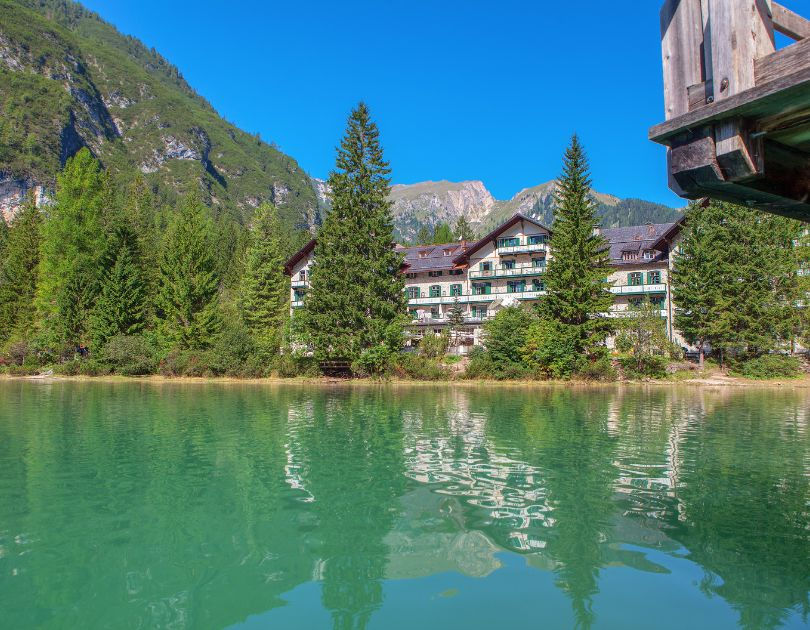
Water has always been central to tourism, but it is increasingly becoming one of its greatest vulnerabilities. As visitor numbers grow and destinations face increasing pressure on freshwater resources, tourism businesses can no longer view water simply as a utility or operational cost. Hotels, communities, agriculture, and ecosystems often depend on the same water sources, making responsible management essential for the long-term resilience of destinations.
Ultimately, the conversation is no longer only about reducing consumption. It is about understanding local realities, recognising tourism's dependence on healthy water systems, and ensuring that growth does not come at the expense of communities or ecosystems. Because destinations facing water insecurity will eventually face tourism insecurity as well.
In our next articles titled - Water Stewardship in Hospitality: Practical Ways Hotels Can Get Started, we explore practical measures that hotels and tourism businesses can adopt to move from awareness to effective water stewardship.


Comments